The Multi-Property Trap: How PG Owners Lose Control When Expanding From One Building to Many
Discover how to scale your PG or hostel business from one building to many without losing control. Learn the power of centralized multi-property dashboards.
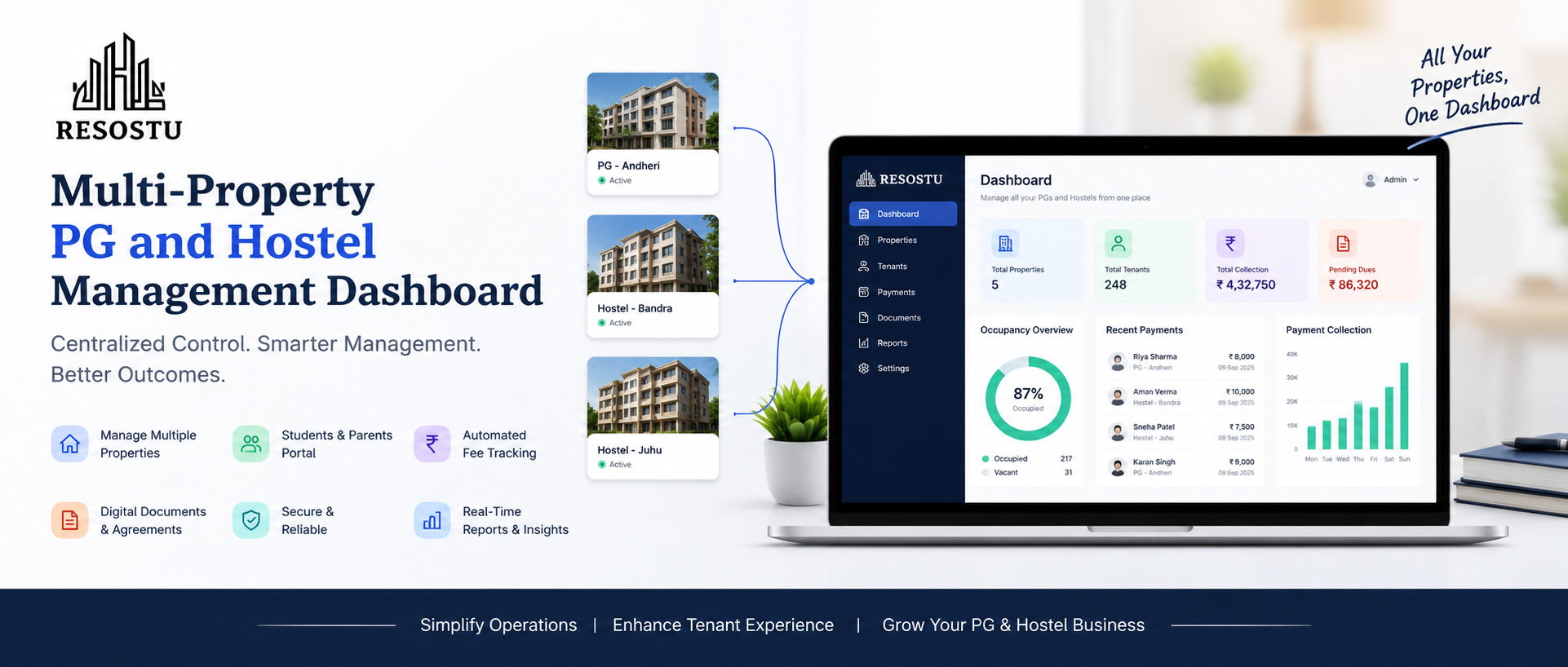
Expanding a Paying Guest (PG) or hostel business from a single property to two, three, or more locations is an exciting milestone for any entrepreneur. It feels like proof that your business model works. However, many property owners quickly discover a harsh reality: the moment you add a second building across town, your operational control shatters. Methods that worked fine for a single building—like visiting daily, checking physical cash boxes, and calling caretakers for updates—fail completely when multiplied across multiple locations. If you want to scale your rental enterprise without burning out, you must understand why multi-property management breaks down and how centralized digital systems solve it.
The Chaos of Managing Multiple Properties Manually
When you operate across different neighborhoods or cities, every administrative process is magnified. Without a unified digital infrastructure, multi-property owners face severe operational bottlenecks:
The Physical Presence Paradox: An owner cannot be in two places at once. If you spend your morning visiting Property A to handle a maintenance dispute, Property B is left unmonitored, leading to communication breakdowns and delayed decisions.
Caretaker Accountability Gaps: Delegating cash collections and room allocations to branch caretakers without strict digital controls often results in tracking discrepancies, unverified cash entries, and severe security risks.
Fragmented Financial Visibility: Trying to piece together monthly revenue across three separate buildings using phone calls, messy WhatsApp groups, and disconnected paperwork makes it impossible to get an accurate financial snapshot of your business.
How Centralized Systems Restore Complete Control
Scaling successfully requires shifting from a hands-on, micro-management approach to a centralized, cloud-based command center. Modern property management platforms eliminate physical distance as an operational barrier:
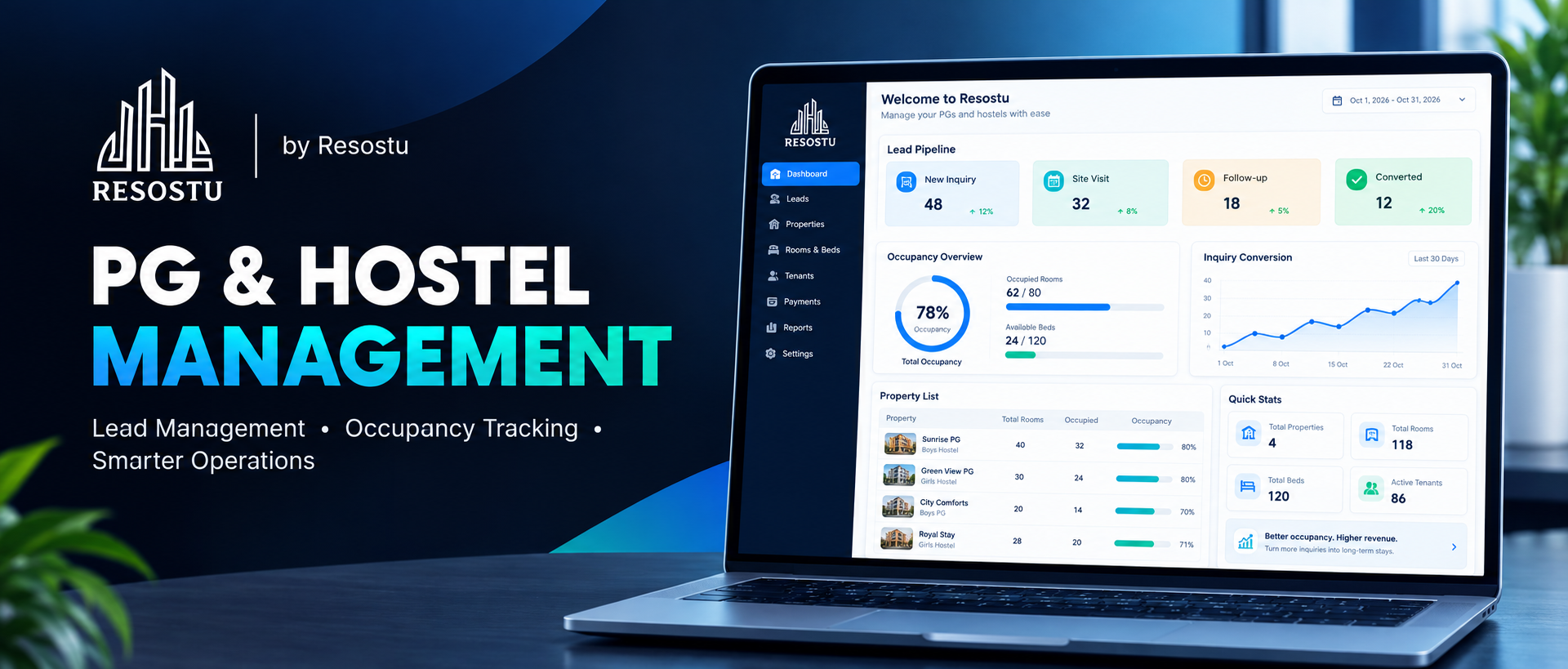
The Master Multi-Property Dashboard: A single login gives you a real-time, bird's-eye view of occupancy rates, vacant beds, and revenue collection across every building you own, all from your smartphone or laptop.
Granular Role-Based Access: Give branch managers and caretakers the specific permissions they need—such as logging cash collections or updating maintenance tickets—while locking down sensitive financial master data and tenant deletions behind owner-level authentication.
Standardized Operational Workflows: Ensure that every property follows the exact same digital standards for automated rent reminders, maintenance tracking, and tenant onboarding, regardless of who is managing the front desk on-site.
Frequently Asked Questions (FAQ)
Q: Why does managing multiple PG properties manually lead to chaos?
A: Physical distance prevents owners from monitoring daily operations, leading to caretaker accountability gaps, fragmented financial records, and delayed maintenance responses.
Q: How does a centralized dashboard help multi-property owners?
A: A centralized dashboard provides a real-time, single-screen view of occupancy, revenue flow, and operational tasks across all building locations simultaneously.
Q: Can I restrict what my caretakers and branch staff can see on the software?
A: Yes. Resostu features granular role-based access controls that let staff log cash collections or maintenance tickets while securing sensitive financial configurations.
Q: How does multi-property software solve cash reconciliation problems across different buildings?
A: Integrated digital ledgers and secure cash modules ensure every transaction from every branch is logged instantly, eliminating cross-building discrepancies.
Q: Is it difficult to add a new property to a digital management system?
A: Not at all. Cloud-based platforms allow owners to onboard new buildings, assign rooms, and configure tenant lists in a matter of minutes.
Q: Do automated rent reminders work independently across multiple locations?
A: Yes. The system tracks custom due dates for every tenant across all properties, firing off automated emails and notifications without requiring manual oversight.
Q: How do digital maintenance tickets help multi-property management?
A: Tenants submit repair requests through their portal, allowing owners to monitor and assign maintenance tasks to specific branch staff without being physically present.
Q: Can I track different rental pricing structures for different properties?
A: Absolutely. You can customize room types, pricing, and utility fee breakdowns individually for each property location within your master account.
Q: Does scaling across multiple properties increase security risks?
A: It can on manual systems, but cloud-based platforms use advanced encryption and strict access controls to protect all multi-branch data from unauthorized access.
Q: How does Resostu help property owners expand their business?
A: Resostu provides a scalable, multi-property operating system that automates daily collections and operations, letting owners expand without administrative chaos.
Building a Multi-Branch Enterprise Without the Burnout
Growing your rental business shouldn't mean multiplying your stress. By replacing physical micro-management and scattered paperwork with a centralized digital ecosystem, you can scale to dozens of properties while retaining absolute operational control.
Ready to manage multiple properties effortlessly? Sign up for Resostu today.